• Link to Facebook
  • Link to Instagram
  • Link to LinkedIn
  • Link to Youtube
  • Change Locations
Set Your Location
Chefs for Seniors
  • Home
  • Menu
    • Sample Menus
    • Current Clients: Submit Your Menu Choices
  • Services
    • Meal Plans
    • FAQ
    • What is a Personal Chef?
  • Locations
  • Franchise
  • More
    • Careers – Apply For A Job
    • Case Managers & Agencies
    • Testimonials
    • MA & LTC Insurance Meals
    • Blog
  • Find A Chef
  • Menu Menu

Archive for category: Uncategorized

Uncategorized

How to Find the Perfect Private Chef for Your Next Dinner Party

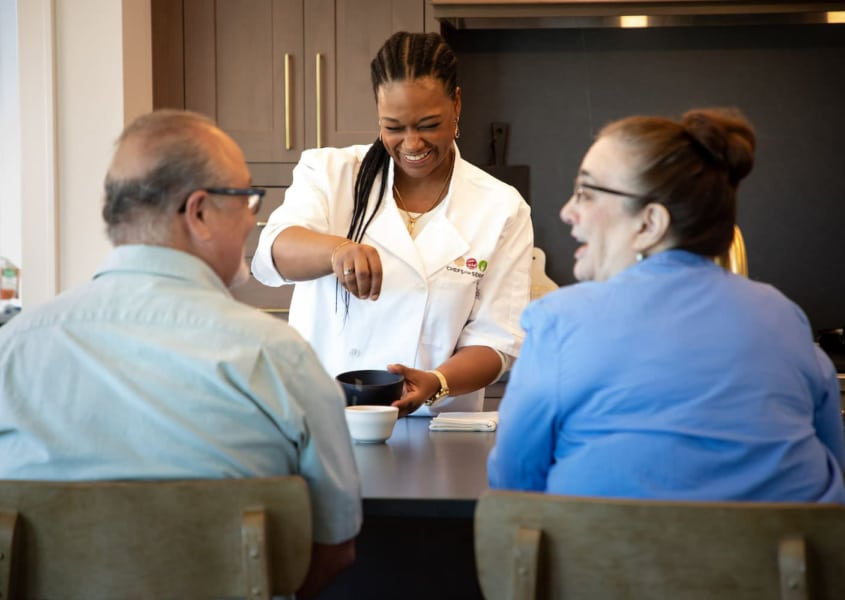
Personal chef seasoning meals in front of elderly couple.

If you’re looking to make your next dinner party truly special, consider hiring a private chef! Private chefs offer a unique dining experience, tailored to your specific tastes and dietary needs. With the right chef, you can enjoy a delicious meal that is prepared with the utmost care and attention. With so many options available, it can be hard to decide which private chef is right for you. Here’s a guide to help you find the perfect chef for your next dinner party. From researching potential chefs to deciding on a menu, you’ll be well on your way to creating a memorable experience for your guests.

Read more

February 2, 2023/by Maddie
https://chefsforseniors.com/wp-content/uploads/2022/12/personal-chef-seasoning-personal-chef-near-me.jpg 1000 1500 Maddie /wp-content/uploads/2023/01/logo-r-chefs-for-seniors-clients-personal-chef-near-me-250-1.png Maddie2023-02-02 10:23:112024-02-06 14:43:06How to Find the Perfect Private Chef for Your Next Dinner Party
Uncategorized

5 Mental Health Tips for Older Adults

Getting older comes with life changes, such as retirement, relocating, or learning to manage changing family dynamics. The state of our mental health affects how we feel, how we think, and how we cope with change and stressful times in our lives. Memory loss, cognitive decline and the loneliness epidemic among seniors make them particularly vulnerable to mental health issues. Most commonly amongst seniors, we see conditions like anxiety, cognitive impairment and depression.

Not only do these conditions effect seniors mentally, but they can manifest themselves in physical ways as well. We know that stress of any kind can have negative effects on your physical health- like suppressing the immune system, decreasing our appetite, and even increasing risk for heart attack or stroke.

In this article, we have several tips for supporting our seniors as they age and maintaining mental health and well-being.

Exercise Your Body AND Your Brain

Physical exercise has tremendous health benefits- both to our bodies physically but also mentally. Exercise helps to manage stress and reduce anxiety by producing endorphins that keep us mentally sharp and feeling our best. Physical exercise can take many forms- such as daily walks, swimming, yoga or dance classes.

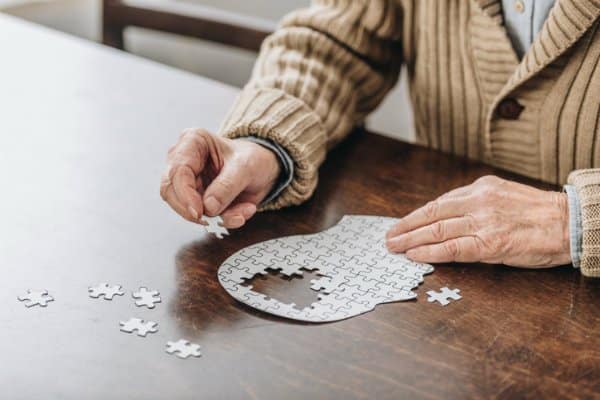
Just as the body needs physical activity to stay healthy, the brain needs stimulation to stay sharp. Studies have shown that “brain games” can help sharpen thinking skills like decision-making, reaction time and short-term memory. An activity that keeps the mind engaged and promotes problem-solving (such as crossword puzzles, sudoku, board/card games, etc.) are great examples, but other accessible activities may include reading, writing, playing an instrument, or learning a new language.

Ask for Help

As we get older, certain activities can become more difficult than they once were in our younger years. This could be anything from mowing the lawn, preparing meals, or even remembering to take prescribed medication. One of the best things (and often the most difficult) a struggling senior can do is ask for help, whether that is through a friend, family member or even a senior-care specialist. Asking for help not only gives us a feeling of community, but also protects seniors from dangers like falling or other forms of physical harm.

Discover a New Hobby

It’s never too late to try something new! Retirement is the perfect time for seniors to cross some things off their bucket-lists and pursue their lifelong dreams- or even trying something they’ve never done before. Think cooking classes, gardening, joining a music group or taking an art class!

Learning a new skill keeps our brains sharp and our minds engaged, and the relationships you can form through new hobbies help give seniors a sense of comfort and belonging.

Caring for a Pet

A recent study by researchers at the University of Michigan linked owning a pet for 5 or more years delayed aging in the brain in adults 65 and older. Why? Pets not only can provide companionship to a lonely senior, but they promote physical activity and overall happiness. Studies have also shown that pets may provide health benefits like lowering blood pressure as well as reducing stress and symptoms of depression.

If having a pet is not feasible, volunteering at an animal shelter is a great way to connect with animals and help in your community.

Stay Connected

Time and distance can make it difficult for people to stay in touch with friends and family, especially as we age. After retirement, we often experience a shift in our daily lives, which is largely impacted by lack of social interaction that we may have been used to in the working world.

Studies have shown that nearly one-fourth of adults over the age of 65 feel lonely and/or socially isolated. Nowadays, technology has made it easier than ever to stay in touch with family and friends, through programs like social media, FaceTime and Skype- just to name a few. If technology seems tricky for the senior, encourage them to set up regular phone calls (or even write letters) to friends and family they want to stay in touch with.

September 23, 2022/by Maddie
https://chefsforseniors.com/wp-content/uploads/2022/09/mentalhealthseniors.jpeg 400 600 Maddie /wp-content/uploads/2023/01/logo-r-chefs-for-seniors-clients-personal-chef-near-me-250-1.png Maddie2022-09-23 14:56:362023-11-06 14:03:575 Mental Health Tips for Older Adults
Uncategorized

Long Distance Caregiving Best Practices

In today’s world, many families are geographically spread apart, which can make it difficult to feel involved when a loved one is in need. Long-distance caregiving can present unique challenges. When you are caring for a loved one from a distance, it can be difficult to feel informed and assured that the person in need is in capable hands and that their needs are being met. While living at a distance can complicate caregiving, there are fortunately plenty of resources nowadays that can be helpful to you and your family. If you find yourself in a long-distance caregiving role, here are some tips to consider.

Stay Connected

You and other family members (if applicable) should discuss what your loved one needs, who can help, and in what ways. The burden of caregiving can be strenuous if only one person takes on the responsibility, so make sure to involve everyone who is able to contribute to avoid caregiver burnout. Communicating on a regular basis is important, either in-person, by phone, email or video chat. Keep in mind that these meetings and discussions are encouraged when there isn’t an emergent situation or urgent need to delegate tasks. If possible, also try to involve your elderly loved one so that they can voice their concerns, wants and needs.

Consult a Geriatric Care Manager

Geriatric care managers are licensed nurses or social workers who specialize in elderly care, so they can assist in assessing your loved one’s needs. They act as a “professional relative” and a form of neutrality helping families navigate through all aspects of caregiving- such as assistance with making long-term and short-term care plans, hiring a team of caregivers/medical professionals, providing guidance with care transitions and also offering emotional support.

Hire Outside Help

These days, it can be difficult to juggle work, caring for your immediate family and supporting an elderly loved one. If you are not able to carry out those tasks yourself, there are lots of senior resources that can help with everyday tasks. An in-home caregiver can assist with medication reminders, bathing, mobility and housekeeping. If meals and cooking are of concern, many of these professionals will assist with meal preparation, but keep in mind, most of them are not food-service professionals. If you have a loved one who needs assistance with meals or needs meals that are diet-specific, a meal service like Chefs for Seniors can be a great resource and ensure that they are eating regular, healthy meals. Having a service provider in the home is also another set of eyes that can check in on them and contact you if they see or suspect anything concerning.

Make Sure Your Loved One Has Means of Communicating

If your elderly family member lives independently, it is necessary that they have an easy way to call for help in the case of an accident, like a fall or injury. This can be either be a cell phone that they carry with them (there are many models now that are designed for older adults that are more user-friendly) or even an emergency call button that you can wear on your neck or wrist to call 911 in an emergency. Even in non-urgent situations, it’s important that you check in with your elderly loved one on a weekly or even daily basis either by phone or video call to make sure their needs are being met.

Stay Organized

When you become a primary caregiver, you may find yourself with the responsibility of organizing and keeping track of your loved one’s personal, financial, health and legal records. Maintaining current information about their health, medical care, finances, etc. can help you get a solid understanding on what their current state is and allows you to respond more quickly if there is a crisis. It is also important to have contact information for local clinics/hospitals in their area, caregiving services and other emergency resources in case they are needed.

April 8, 2022/by Maddie
https://chefsforseniors.com/wp-content/uploads/2022/04/longdistancecaregiving.jpeg 400 930 Maddie /wp-content/uploads/2023/01/logo-r-chefs-for-seniors-clients-personal-chef-near-me-250-1.png Maddie2022-04-08 15:46:022023-03-08 13:53:06Long Distance Caregiving Best Practices
Uncategorized

5 Myths About Hiring a Personal Chef

If you are caring for an elderly loved one, you may have noticed some changes in their eating patterns. Eating less, eating the wrong kinds of foods, and a lack of motivation to cook, are some of the most common things the caregiver can observe over time. They may be struggling with an illness or condition that prohibits them from standing on their feet for too long, or they have dietary restrictions that make it difficult to accommodate. Whatever the case may be- this is an increasingly significant issue, because we know how important nutrition is as we age and how what we eat and how much affects our mood, energy levels and physical ability.

As a caregiver you might find yourself in a situation where you are trying to prepare meals and cook for an elderly loved one, but this isn’t always feasible. Some caregivers live too far away or have other family members and job responsibilities to juggle and find that some outside help is needed. If you have considered hiring a personal chef, you likely have some hesitations and pre-conceived notions. In this article, we will be discussing 5 common myths about hiring a personal chef.

It’s Too Expensive

Naturally, this is likely the first thing you think of when considering a personal chef: it’s too costly. Sure, there is a cost associated with having a professional do the grocery shopping and prepare meals in the home, but most of these services are actually more affordable than you would think. Many seniors rely on pre-packaged frozen meals, excessive un-healthy snack foods and take out from restaurants. This can add up significantly over time not only financially, but in terms of how it affects their overall health. Pre-packaged meals and takeout foods are often loaded with unnecessary amounts of sodium, artificial flavors, preservatives and inflammatory ingredients that do not provide the nutritional support that is needed as we age.

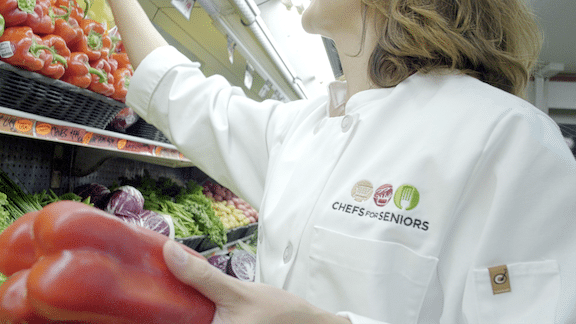
A personal chef is designed to work with your dietary needs and preferences, and prepare meals that are healthier than what you could buy in a grocery store. Since they are professional chefs, they are skilled in utilizing ingredients you already have and make multiple meals out of a select few ingredients- which saves you money on your grocery bill and promotes less waste. Many of these services offer custom pricing- typically dependent on dietary needs, preferences and how often they choose to use the service.

Personal Chefs Cannot Accommodate Special Diets

Most personal chefs are able to accommodate a variety of dietary restrictions. Many seniors have specific dietary needs- such as diabetic-friendly, low sodium, gluten-free, etc., and this can be limiting if you feel like you can only eat certain foods. Professional chefs are trained in preparing a variety of cuisines and can use their culinary expertise to make your favorite dishes with any necessary substitutions. If you are working with a dietician or nutritionist, the chef can often follow their guidelines and be sure to omit restricted ingredients. Of course, this is something you would want to communicate with your chef at your consultation appointment to be sure they have the means to accommodate your specific needs.

A Personal Chef Service Will Take Too Long in The Home

Many people assume that hiring a personal chef to come to the home and cook meals for a week or two at a time will take a whole day, but most chefs are efficient enough to produce multiple meals within about 2-4 hours, depending on the dishes being prepared and quantity of meals. In this time, your grocery shopping is complete, your meals and made and packed in your refrigerator/freezer for easy re-heating and your kitchen is cleaned.

A Personal Chef Wouldn’t Want to Cook in My Kitchen

Don’t have a gourmet kitchen at home? Not to worry- most chefs will bring their own cooking supplies with them, such as pots, pans, knives and other cooking utensils. As long as you provide a working oven, sink and stove- they can take care of the rest. This way, you don’t need to worry about providing any equipment.

A Personal Chef Would Make Too Much Food

Most personal chefs will set up a consultation with you prior to signing a service agreement, which is a chance for the chef to get to know you or your loved one and discuss any dietary needs, preferences and their preferred frequency of service. Many chefs offer a weekly service date, bi-weekly or even monthly- and can customize your meal plan to fit your individual needs.

December 8, 2021/by Maddie
/wp-content/uploads/2023/01/logo-r-chefs-for-seniors-clients-personal-chef-near-me-250-1.png 0 0 Maddie /wp-content/uploads/2023/01/logo-r-chefs-for-seniors-clients-personal-chef-near-me-250-1.png Maddie2021-12-08 17:10:322023-09-13 17:27:025 Myths About Hiring a Personal Chef
Uncategorized

10 Healthy Snacks For Seniors

We all know by now that one of the greatest things you can do to promote healthy aging is by eating a well-balanced, nutritious diet. Making smart food choices include paying attention to not only breakfast, lunch and dinner, but also to snacks. Nutritious snacks are important in a senior’s diet- if you or a loved one are experiencing a decrease in appetite or do not enjoy a large meal like you used to, healthy snacks throughout the day can be more approachable (and also convenient!) In this article, we’ve rounded up 10 healthy snacks that can appeal to every appetite.


 Greek Yogurt w/ Fresh Fruit

This nutrient dense snack is a great choice because it combines healthy protein, fat and minerals. Yogurt is also great for the digestive system, because it contains beneficial live cultures and enzymes. We prefer using plain Greek yogurt and using fruit or a drizzle of honey to add some extra flavor and sweetness.


Hard-Boiled Eggs

Hard-boiled eggs are a quick grab-and-go snack that is also a great protein source. The eggs can be prepped in advance and will keep in the refrigerator for about 7 days. You can enjoy them plain, or with a sprinkle of salt and pepper.


Unsalted Mixed Nuts

Mixed nuts are an easy, no-prep needed snack. Choose a variety of nuts with heart-healthy fats and protein such as almonds, cashews, pistachios, walnuts and brazil nuts. You can also mix in dried fruit such as cranberries or raisins for a variety in taste and texture.


Smoothies

Fruit smoothies are nutrient rich and delicious, and the best part is: you can mix in other ingredients like spinach, protein powder, etc. and barely taste it! There are hundreds of smoothie combinations to try- just use your favorite frozen fruits, milk or yogurt, and any other additions!


Homemade Granola

Homemade granola is a great alternative to store bought granola, because you can control how much sugar is added and customize it to your liking. You can use a base of dried oats, dried fruit, nuts/seeds and add in honey or maple syrup for a touch of sweetness. Granola can be enjoyed atop yogurt, eaten like cereal or even enjoyed by the handful!


 Veggies w/ Hummus

Raw vegetables with a delicious dip are a great way to get your servings of veggies in a day, and also a great source of fiber. Try carrots, cucumbers, broccoli, cauliflower, etc. Hummus is a tasty alternative to store-bought dips and dressings- and can be found in a variety of flavors like garlic, roasted red pepper or sun-dried tomato.


Sauteed Apples w/Cinnamon

Enjoy the taste of fall with this warming snack all year long! Cooked fruit is very easily digested, and is a great option for those on a soft-foods diet. It’s simple- cut an apple into ½ inch pieces, sauté with butter or coconut oil and a sprinkle of cinnamon until soft. Pears also work well as an alternative.


Dark Chocolate Covered Almonds

This crunchy snack gives us a healthy boost of heart-healthy fats from the almonds and a boost of antioxidants from the dark chocolate. Just a hand-full a day keeps the sugar cravings away!


Sardines/Canned Salmon

Fish like salmon and sardines are packed with omega-3 fatty acids. They also have an impressive amount of vitamin-D and calcium, which is beneficial for bone health. Make sure to look for canned fish in water or olive oil. Enjoy on top of crackers for a surprisingly satisfying snack.

Cottage Cheese

Cottage cheese, like yogurt, is a great calcium source and also high in protein. This can be enjoyed plain or with a spoon-full of fruit preserves.

September 16, 2021/by Maddie
https://chefsforseniors.com/wp-content/uploads/2021/09/shutterstock_1456803497-scaled.jpg 1157 2048 Maddie /wp-content/uploads/2023/01/logo-r-chefs-for-seniors-clients-personal-chef-near-me-250-1.png Maddie2021-09-16 18:07:532024-08-26 13:58:5210 Healthy Snacks For Seniors
Uncategorized

Private Chef vs. Personal Chef: What’s the Difference?

As more and more meal services begin to pop up all over the county, you may find yourself asking: What is the best option for me or my loved one? We find that many people we talk to love the idea of having a professional chef come into their home to prepare customized and healthy meals for them, but have a hard time differentiating a private chef vs. a personal chef. While a personal chef and a private chef have several things in common, there are several distinctions between them.

PROS OF A PRIVATE CHEF:

  • 3 freshly prepared meals each day
  • Meals are often gourmet quality
  • Often maintains organization of the kitchen, such as the pantry and where equipment is located

 3 FRESHLY PREPARED MEALS EACH DAY

A private chef will most often be in the home each day, which means they prepare each meal on demand including snacks. The chef will prepare the meal and plate the dish for you. Because they are highly-experienced, they can prepare a wide variety of different cuisines.

MEAL QUALITY

Most private chefs undergo formal training at a culinary school or have extensive experience working in 5-star hotels or fine dining restaurants. If you are a foodie or someone with a sophisticated palette, these chefs are trained to be able to cook just about anything.

MAINTAIN ORGANIZATION OF THE KITCHEN

Not only will a private chef be responsible for meal-preparation, but they also take care of responsibilities such as keeping your pantry stocked and organization of the kitchen.

CONS OF A PRIVATE CHEF:

  • Expensive
  • Often salaried employees
  • They are in the home all day

EXPENSIVE

Possibly the biggest downside of hiring a private chef is that for someone with an “average” budget, private chefs are very costly. Private chefs are often employed by one individual, due to the fact that they are in the home each day preparing each and every meal. Rate of pay for a private chef varies in accordance to the amount of training they have, their location and level of experience.

OFTEN SALARIED EMPLOYEES

Private chefs will most commonly be paid on a salary instead of per service. According to Payscale, as of June 2021, a private chef earned approximately $71,526/year salary. However, annual salaries can range anywhere from $30,000 to $100,000+.

IN THE HOME ALL DAY

While some may like having a chef in their house on a daily basis from morning until evening, a good majority of people may not enjoy having someone in their home all day long. Some may prefer only having a service performed within the span of an hour or two.

PROS OF A PERSONAL CHEF:

  • Less time in the home
  • Affordable
  • Will often use their own equipment

LESS TIME IN THE HOME

While a private chef is employed to be in the home on a daily basis from morning until night, a personal chef will prepare multiple meals for a week or even a month in advance in as little as 2 hours. The meals are then packaged with reheating instructions for you to heat up as you like.

AFFORDABLE

Because private chefs are most often salaried employees, the cost is significantly higher than a personal chef that comes into the home on a weekly or monthly basis. Most personal chefs will charge per service, and thankfully, you do not need to sacrifice food quality for the cost-chefs working for a personal chef service often have years of cooking experience. Charge per service is region specific, but most will be anywhere between $100-$300 per service plus the cost of groceries.

WILL OFTEN USE THEIR OWN EQUIPMENT

Some people may have reservations about someone else using their pots, pans and kitchen utensils, but fortunately many personal chefs have their own toolbox of cooking equipment that they bring to each service.

CONS OF A PERSONAL CHEF:

  • Availability
  • May only have a set menu that they work with
  • Eating the same dish for multiple meals

AVAILABILITY

Since personal chefs often service multiple clients, they can sometimes have a trickier schedule to work with and will require planning your service days in advance. Also, these services are not always offered in smaller communities so you may have a difficult time finding a chef in a smaller town.

MAY ONLY WORK WITH A SET MENU

Many personal chefs have a menu database that they work with or a set list of items that they can make. While most chefs can be flexible with your dietary preferences, they may charge more for more expensive ingredients or more labor-intensive meal preparation.

EATING THE SAME DISH FOR MULTIPLE MEALS

The nature of a personal chef is that they come into the home once or twice a week (maybe even once a month) and prepare a few meal options with multiple portions to be stored in the refrigerator or freezer for the client to reheat. A private chef can make you whatever you want when you want it, but with a personal chef you only have your pre-made meals to choose from until the chef comes back for the next visit.

July 14, 2021/by Maddie
https://chefsforseniors.com/wp-content/uploads/2021/07/Stephshopping0.png 324 576 Maddie /wp-content/uploads/2023/01/logo-r-chefs-for-seniors-clients-personal-chef-near-me-250-1.png Maddie2021-07-14 18:25:442023-09-13 17:28:09Private Chef vs. Personal Chef: What’s the Difference?
Uncategorized

4 Myths About Senior Nutrition

Over the years, there have been countless opinions about which diet is going to give us optimal health. Plant based, low fat, gluten free… you name it! With this abundance of information, it has become increasingly difficult to know which “diet” to follow. As a business that focuses solely on feeding seniors, there are apparent misconceptions about nutrition as to what we should be eating to age well, prevent diseases and illness, and feel good mentally and physically. In this article, we are going to discuss 4 common myths about senior nutrition.

#1 Seniors can afford to skip meals if they aren’t hungry/don’t have a desire to eat or cook

As we’ve discussed in a past blog post, as we age, our metabolism seemingly changes. This means that our food preferences can change, and some foods that we used to enjoy just don’t appeal to us anymore. We often see that with a lack of desire to cook or even grocery shop, seniors are not eating as much as they should be. When we skip meals, we deprive our bodies the chance to obtain essential nutrients like fats, protein, vitamins and minerals that keep our body functioning at an optimal level. We feel energetic, mentally alert and we don’t crave junk foods!

#2 Seniors can have their nutritional needs met by taking vitamins and supplements

High-quality vitamins and supplements can certainly be a great addition to a well-balanced diet, but they should never take place of the naturally occurring nutrients in food like high-quality protein sources, fruits, and veggies. Taking an abundance of supplements can even be dangerous in that there is the risk of getting too much of a particular nutrient without realizing it, which can do more harm than good. In other words, multivitamins will not fix an otherwise unhealthy diet-even if they seem like the most easy and convenient option.

#3 Seniors should eat a diet consisting of low-fat and low-calorie options

We know that there are a lot of foods available in the super market that advertise themselves as “healthy”, but those options in reality may be even less beneficial for our diets than we realize. For example, a low-fat flavored yogurt may seem like a healthy breakfast option, but could be full of sugar and artificial ingredients. Instead, opt for plain Greek yogurt that can be sweetened with honey or fruit. Especially for seniors who struggle to eat at least 3 meals a day, it is important to make sure that they are getting enough high-quality protein, fat and carbohydrates (yes- these are all necessary nutrients).

#4 Seniors can rely solely on eating at restaurants/ordering takeout

While going to a restaurant or ordering takeout is an easy, no hassle (and no cleanup!) option, the cost for eating out regularly adds up quickly- especially if it’s multiple meals a day. Not to mention, the ingredients that are used in commercial restaurants often contain high amounts of sodium, saturated fats and sugar that should not be consumed on a regular basis.

July 6, 2021/by Maddie
https://chefsforseniors.com/wp-content/uploads/2021/07/Pic232628129.jpeg 388 703 Maddie /wp-content/uploads/2023/01/logo-r-chefs-for-seniors-clients-personal-chef-near-me-250-1.png Maddie2021-07-06 16:11:552023-01-19 07:30:024 Myths About Senior Nutrition
Uncategorized

Food For Elderly With No Appetite

As we age, we often see our appetites begin to decrease, which can happen for a variety of reasons- health issues, low mobility, gastrointestinal changes, etc. With that said, it can be tricky to encourage seniors to eat nutrient dense foods when they have little to no appetite to begin with. Often, we see people reaching for convenience foods that can be high in inflammatory fats, sugar and processed ingredients that can make a low-functioning metabolism decline even more rapidly. Our approach is to increase nutrient density- not portion size. In this article, we’ll be discussing some nutritious, simple food options that can be fed to seniors with a declining appetite.

Avocados

Avocados are mild in flavor, soft in texture and packed full of nutrients- most importantly heart healthy fats for healthy joints and optimal brain function. Avocados can be eaten mashed on a piece of whole grain toast or even plain with a sprinkle of salt.

Finely chopped or ground meat

A senior with a small appetite is likely to turn their nose at a large piece of meat, so we recommend using ground or finely chopped meat like beef, chicken or turkey in a dish. These allow for smaller portions, and ground meat can be more easily consumed by those who have difficulty chewing or digesting. We gravitate towards options like meatballs, chicken or tuna salad with herbs and seasonings.

Eggs

Eggs are an inexpensive, widely available high-protein option for seniors- and most always have a carton in their refrigerator. Eggs can be prepared in a variety of ways- scrambled, or even hard-boiled in the fridge for an easy snack.

Fruit smoothies

A commonality that we see among seniors is that with a declining appetite, they often reach for unhealthy foods that are high in sugar. Fruit smoothies give the benefit of curving a sweet tooth (from the naturally occurring sugars in fruit) while providing real food nourishment. We even like to sneak veggies like spinach into smoothies for an extra superfood boost…they’ll barely taste it!

Full fat dairy sources (Yogurt, soft cheeses, etc.)

Full fat dairy sources such as yogurt and soft cheeses (think cottage cheese and ricotta) are both appealing to the taste buds and easy to eat. For a senior with minimal nutrient intake, we prefer full fat dairy for the added boost of protein. For a touch of sweetness, you can add a small scoop of fruit preserves or stewed fruit.

For a large majority of the senior population, buying, storing and preparing food can be a real challenge. It can be easier to just avoid it all together, but this can lead to symptoms of malnourishment. By hiring a personal chef service like Chefs for Seniors, this can take the burden off of our elderly loved ones and provide them with tempting and delicious meals. We know that appetite is stimulated by the senses- smell, taste, sight and even sound! Let the aromas of homemade meals waft through the home and the sound of sizzling veggies and bubbling sauces on the stove promote positive associations with meal time- they’ll even look forward to it!

June 28, 2021/by Maddie
https://chefsforseniors.com/wp-content/uploads/2021/06/eatingpic.jpg 499 750 Maddie /wp-content/uploads/2023/01/logo-r-chefs-for-seniors-clients-personal-chef-near-me-250-1.png Maddie2021-06-28 17:45:002024-08-20 16:00:41Food For Elderly With No Appetite
Diabetes, Uncategorized

10 Foods To Avoid With Diabetes

10 foods for diabetic individuals to avoid eating.

Diabetes is a common chronic disease that affects more than 100 million Americans (~30% of the total population).  The disease involves problems with the hormone insulin.  Normally, your pancreas produces insulin to help store fat and sugar in the foods you eat, and a diabetic person’s pancreas doesn’t produce enough of the hormone.

Prevention and ongoing treatment of diabetes involves maintaining a healthy diet, exercising regularly, and avoiding tobacco products.  In some cases, especially for people with type 1 diabetes, treatment plans involve regular insulin injections.  Needless to say, having diabetes can be a significant health issue that negatively impacts the lives of those affected on a daily basis.

Your diet plays an important (if not THE most important role) in the development and management of diabetes.  Eating the wrong foods can raise your blood sugar and promote inflammation.  Whether you’re managing your diabetes or want to avoid developing the disease, here are 10 foods you’ll want to avoid.

1. Sugar-sweetened drinks

Sugary beverages are probably the worst thing diabetics could buy at the store.   They are extremely high in simple carbs (sugar), with your average 12 oz soda containing 38 grams of sugar.  Plus, these beverages are usually loaded with fructose, which can lead to insulin resistance.

Instead of sugary drinks like soda, try unsweetened tea or sparkling water.

2. Trans fats

Trans fats are created by adding hydrogen to fatty acids, making the product more shelf-stable.   Although they don’t increase blood sugar levels directly like sugar, they’ve been shown to reduce “good” cholesterol and increase inflammation.  This can lead to belly fat and weight gain.

Common foods that sometimes contain trans fats include peanut butter, frozen dinners, coffee creamer, margarine, and grocery store baked goods.

3. Simple carbs (pasta, white bread, white rice)

Pasta, white bread, and white rice are processed foods that are high in simple carbs, which can raise your blood pressure.   These foods usually contain very little fiber, which slows the absorption of sugar in the bloodstream.

Instead of simple carbs, opt for whole grains like whole wheat pasta, whole wheat bread, quinoa, farro, and brown rice.

4. Yogurt with added sugar

Plain yogurt is full of calcium, protein, and probiotics, all of which are essential nutrients for diabetics.  The problem is, when you buy flavored yogurt with added fruit it’s typically loaded with sugar.

You’ll also want to avoid non-fat yogurt, which is usually higher in sugar.  Contrary to popular belief, high-fat whole-milk yogurt is actually better for you.  Remember, not all fats are bad…

5. Store-bought breakfast cereals

While cereal isn’t as bad for you as it was 50 years ago, most are still packed with sugar.  They are also low in protein, a key macronutrient that will stabilize your blood pressure throughout the day.

Instead, choose a high-protein, low-carb breakfast like eggs and whole-wheat toast or plain yogurt with homemade granola.

6. Honey and maple syrup

While cane sugar is arguably the worst perpetrator of blood sugar spikes, alternative sweeteners like honey and maple syrup aren’t much better for diabetics.

Honey and maple syrup aren’t as processed as regular sugar, but they contain just as many simple carbs – sometimes even more.

For diabetics it’s best to avoid any added sweeteners, these two included.

7. Dried fruit

Fruit is certainly good for you, but when it’s dried the loss in water content results in high sugar concentration.  For example, one cup of raisins contains 115 grams of carbs – compared to 27 grams for one cup of grapes.

Diabetics, like everyone, still need fruit in their diet.  Try to stick with lower-sugar fresh fruits like apples and berries.

8. Fruit juice

Although fruit juice is certainly healthier than soda, unfortunately the effects on your blood sugar aren’t much different.   This is true even for juices without any added sugar.

9. Deep fried foods

Deep fried foods have been shown to produce high amounts of aldehydes, a toxic compound that can lead to inflammation.  Plus, the unhealthy oils (canola, peanut, corn) these foods are fried in can lead to weight gain.

10. Pie, cookies, & cake

No explanation needed here…not surprisingly, any of these popular desserts can throw your blood pressure out of whack.  You’ll want to be especially sure to avoid store-bought desserts, which often have added trans fats.

If you have a sweet tooth, opt for fresh fruit or dark chocolate instead.

Learn About Chefs For Seniors Diabetic Meal Service
April 26, 2021/by Maddie
https://chefsforseniors.com/wp-content/uploads/2021/04/10-diabetic-foods-to-avoid.jpg 667 1000 Maddie /wp-content/uploads/2023/01/logo-r-chefs-for-seniors-clients-personal-chef-near-me-250-1.png Maddie2021-04-26 15:08:142025-06-05 14:02:2610 Foods To Avoid With Diabetes
Uncategorized

10 Tips For Seniors to Eat More Fruits and Veggies

Fruit and vegetables have the highest nutrient density of any food groups, but most people in the US don’t eat enough of them.  Numerous studies have shown that people of all ages, but especially seniors, who consume higher amounts of fruits and veggies reduce their risk of chronic diseases like diabetes and heart disease.  Not to mention, they also live longer.

Older adults with a normal physical activity level should eat at least 2 servings of fruit and 3 servings of vegetables each day.  A serving typically constitutes ~1 cup in volume.  Despite those recommendations, the Center for Disease Control and Prevention reports that only 1 in 10 seniors eat enough fruits and vegetables.  And no, taking a multivitamin isn’t a substitute for whole foods since your body doesn’t absorb nutrients as efficiently from concentrated supplements.

To help you increase the number of healthy fruits and vegetables in your diet, here are 10 simple tips!

Have them available and convenient

This is probably the easiest and most obvious tip, but it’s something that a lot of people overlook.  If you’re going to eat more fruits and veggies, they have to be easily accessible.  Prep cut vegetables each week for a healthy snack, and/or have a fruit basket front and center on your kitchen counter.  The more you see them the more you’ll eat them!

Join a local CSA

CSA stands for community supported agriculture, and it’s a system that allows people to subscribe to receive seasonal fruits and vegetables from local farmers each week.  Not only are you supporting small, local farmers, but the produce is also higher quality and fresher than what you’d typically find in a grocery store.  For more information on CSA baskets, visit https://www.csacoalition.org/.

Blend into smoothies

Drinking nutrient-dense smoothies is a great way to start the day for anyone, but they can be especially helpful for seniors who have trouble chewing and are trying to eat more fruits and veggies.  Smoothies are also great because they contain all the healthy fiber from the fruits and veggies you blend into them.

When most people think of smoothies they imagine something fruit-based, but for a superfood veggie boost you can add a handful of fresh spinach to almost any smoothie recipe – and you’ll barely taste it!

Puree into sauces

Same idea as smoothies.  For example, if you’re making a marinara sauce you could blend in cooked carrots, bell peppers, zucchini, and/or spinach.  If you enjoy mac n’ cheese, puree roasted butternut squash into the béchamel sauce before adding the cheese.

Use avocado as a butter/cream substitute

Avocados aren’t just for guacamole; they’re also an extremely versatile fruit that can be a substitute for butter or cream in a lot of recipes.  For example, you can make avocado-based frosting and avocado ice cream that has the rich creamy texture of the dairy-based version.

Try veggie chips

Instead of potato chips that lack nutrients and are often loaded with saturated fat, try something like Terra brand chips made from sweet potatoes and other root vegetables.  They’re more expensive than Lays, but they use high-quality ingredients which makes for a healthier snack and allow you to eat more fruits and veggies in a fun, crunchy way.

Use different cooking techniques

Rather than boring the taste buds with the same scoop of peas night after night, shake up the repertoire by trying different cooking techniques, including steaming, grilling, sautéing, stir-frying, and boiling.

Make a dip

To make cut vegetables and fruit a more interesting snack, try dipping them in hummus, peanut butter, or a Greek yogurt-based dip (Greek yogurt mixed with a packet of ranch dressing seasoning is a simple but great tasting dip).   Avoid French onion dip and others that list sour cream, mayo, or cream cheese as the primary ingredients.

Whip up some popsicles

Popsicles are refreshing and convenient but unfortunately, are often loaded with sugar and lack any sort of nutritional value.  However, you can blend up fresh fruits at home with juice or water and pour them into a Popsicle mold, which makes for a healthy summertime snack.

Get into a routine

If you’re going to add more fruits and vegetables to your diet, getting into a routine is important.  For example, try having a salad (romaine or mixed greens, not iceberg) every night with dinner or eat cut bell veggies every afternoon for a snack.

April 13, 2021/by Maddie
https://chefsforseniors.com/wp-content/uploads/2021/04/eatrightorghealthyeatingforolderadults.jpeg 450 600 Maddie /wp-content/uploads/2023/01/logo-r-chefs-for-seniors-clients-personal-chef-near-me-250-1.png Maddie2021-04-13 19:32:042023-10-12 13:39:0110 Tips For Seniors to Eat More Fruits and Veggies
Page 10 of 11«‹891011›
Search Search

Recent Posts

  • Understanding Carbohydrates: Separating Facts from Fiction
  • How Seniors Can Boost Vitamin D Through Diet
  • How a Personal Chef Can Reduce Holiday Stress for Seniors
  • 5 Pantry Staples for Cold and Flu Season
  • How Proper Nutrition Can Help Manage Chronic Conditions

Want a break from cooking?

Across the US, our team of personal chefs are ready to prepare surprisingly affordable, delicious, and home-cooked meals right in your own kitchen! We are the #1 in-home meal service for seniors.

Get My Free Quote

Learn More

  • Blog
  • Franchise
  • Privacy policy
  • Accessibility statement

Connect with Us

Locally Owned

All Chefs For Seniors locations across the US are independently owned and operated. When you choose Chefs For Seniors, you are supporting small business owners in your local community.

© 2025 Chefs For Seniors, Inc. All rights reserved. | Web Design by Bizzy Bizzy
Scroll to top Scroll to top Scroll to top