
Project Background
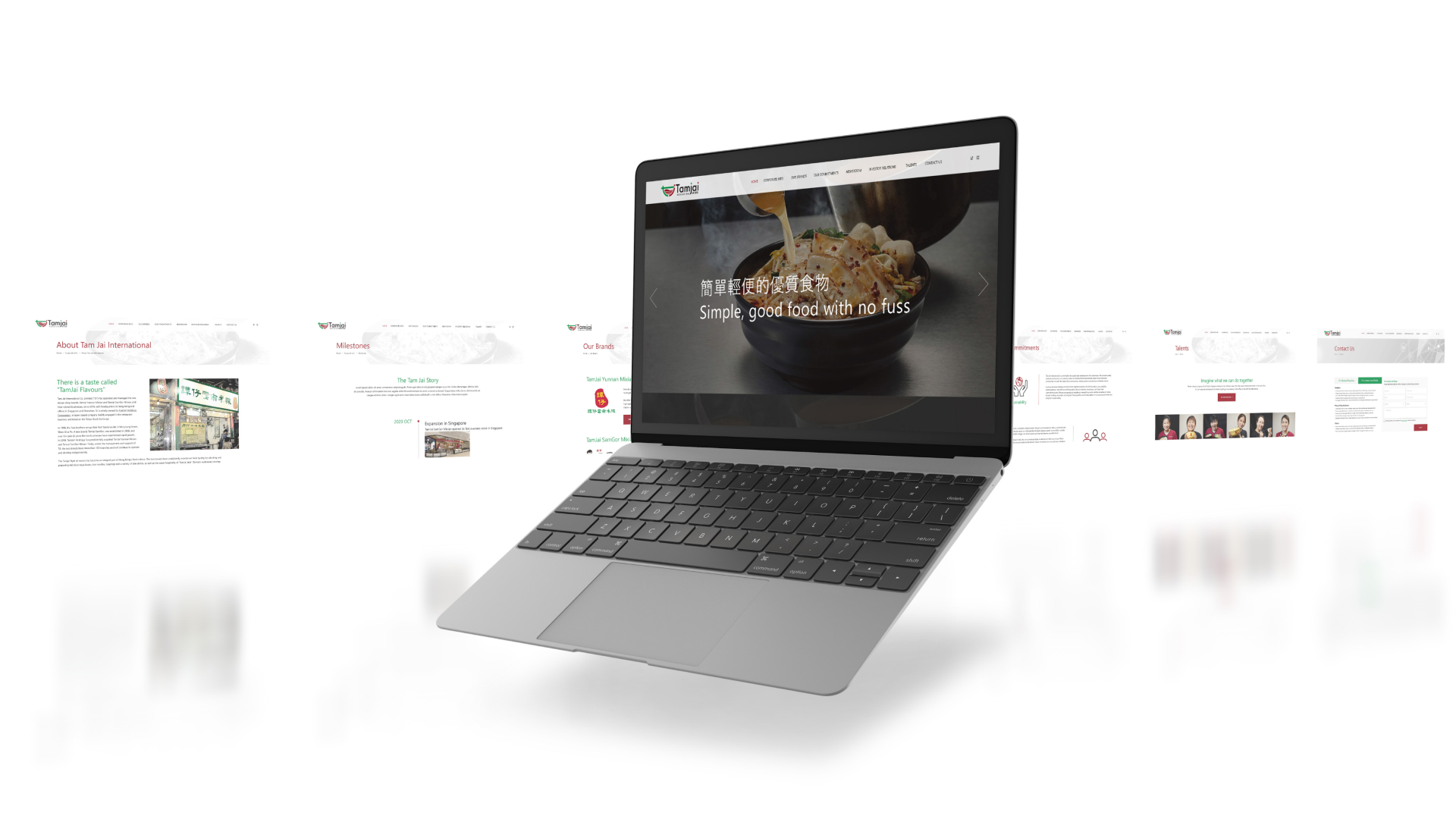
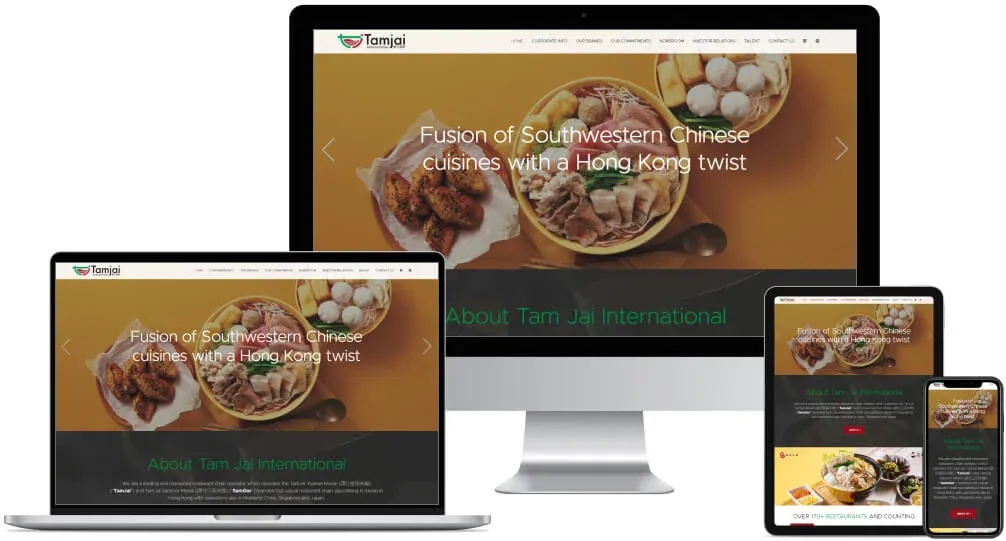
Tam Jai International operates TamJai Yunnan Mixian (譚仔雲南米線) and TamJai SamGor Mixian (譚仔三哥米線) branded fast casual restaurant chain specialising in mixian in Hong Kong with operations also in Mainland China, Singapore and Japan.They approached our web design agency to create a new WordPress website that would not only better reach their target audience, but would also be simple to edit and maintain, as well as optimized to rank higher in search engines.Our web development team collaborated closely with the client to ensure that the site not only served its intended audience but also adhered to the most strictest branding guidelines.
Our Challenges
Modern Design
Align visual elements and storytelling with their branding while enhancing user navigation.
API Integration
View and download of reports and announcements from HKEX
Mobile Responsive
Uniquely display the website on different devices to provide an optimal user experience
Easy Navigation
Maintain an accessible information architecture to facilitate content discovery by a variety of audiences.
AWS Hosting
Migrate the developed website to AWS and optimize their EC2 Instance”
Custom WordPress Website
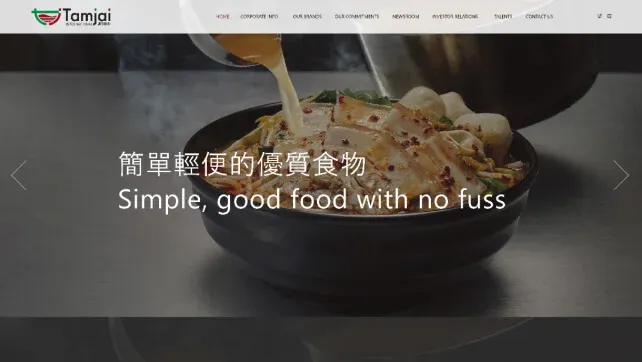
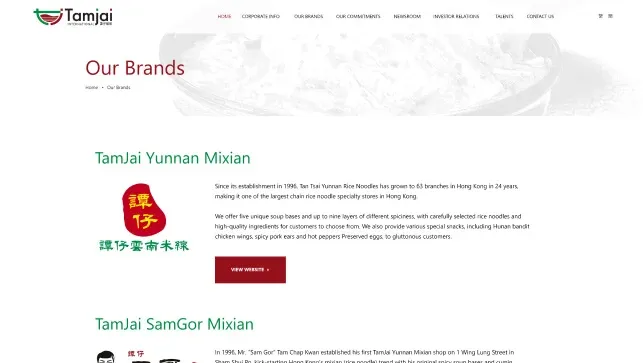
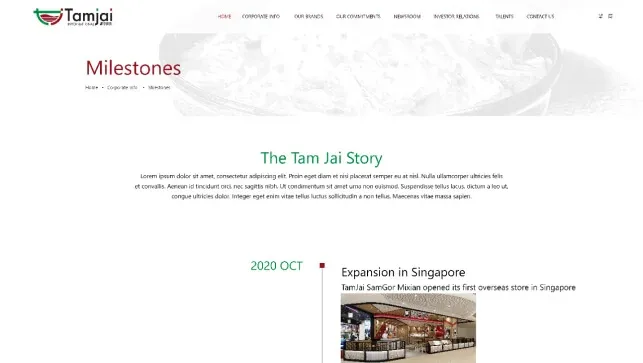
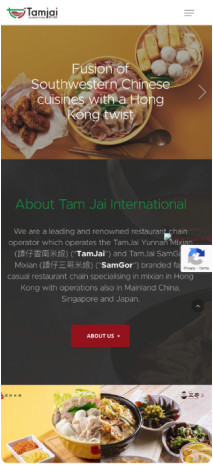
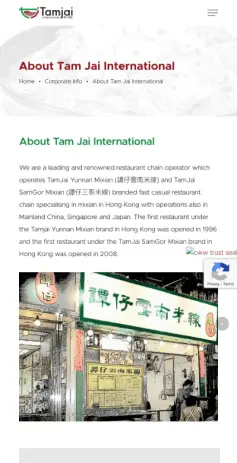
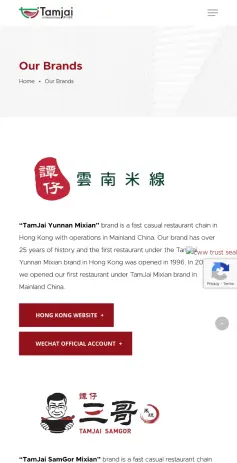
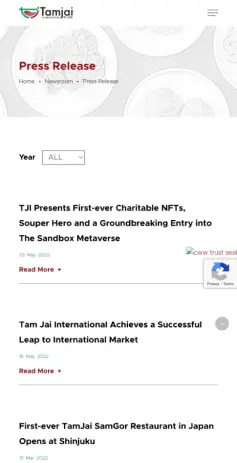
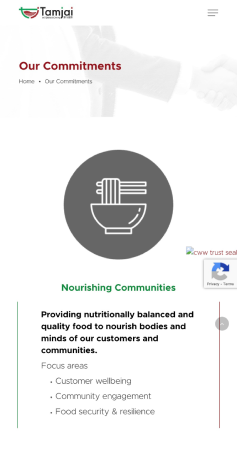
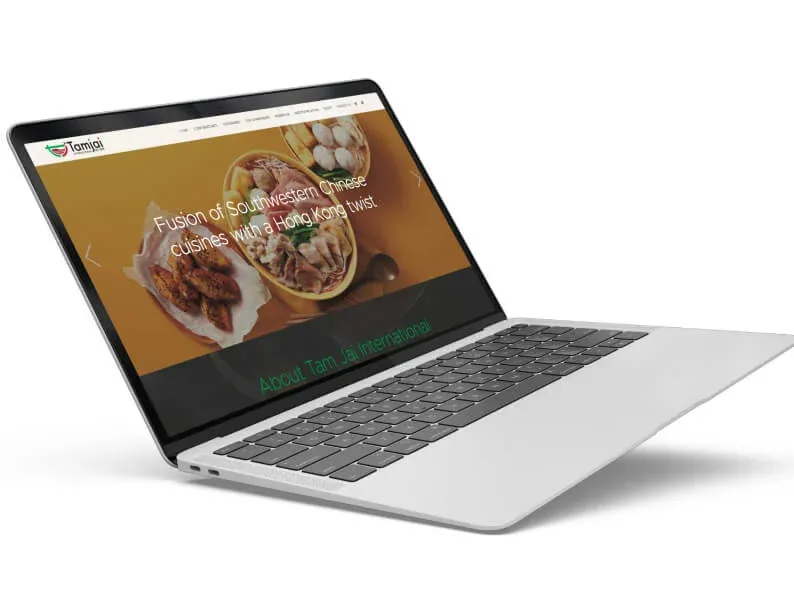
Our development team was able to create a stunning design that was easily optimized to attract their target audience using WordPress. It is simple to find valuable information about the company, such as their brand story, investor relations, and job openings, with an organized site navigation.
Because it is built on the WordPress platform, the Tam Jai International staff can easily edit and add content without having any prior HTML experience.





Our Solution & Tech Stack


WordPress Development
We created high-quality custom websites on a scalable WordPress content management system (CMS) for TJI website, because we don’t want you to need a whole new website in five years. We want our website last.


Responsive Web Design
TJI website is created with multiple elements that respond separately when displayed on devices with various sizes. The website will rescale itself to adapt to the screen of the client and to preserve the user experience and look and feel across all devices


SEO Reporting and Strategy
Perform data analysis and research, making strategic recommendations, and help with technical execution throughout every web design project.


Multilanguage Website
Our team designed and developed website that contains multi languages – English, Traditional Chinese and Simplified Chine. This could helps client to expand their reach, approach a much wider audience, and also helps to improve SEO efforts.


Third-Party API
Integration of Euroland’s API enables Tam Jai website to show investor relations related reports and announcement from HKEX enables them to reach investors and alike.


Real Time Analytics
Track and analyze website traffic data is very important, so we integrate analytic tool in this website to let client monitors what are visitors actually doing on each webpage, and how they behave throughout their journey on this website.

UI/UX Approaches
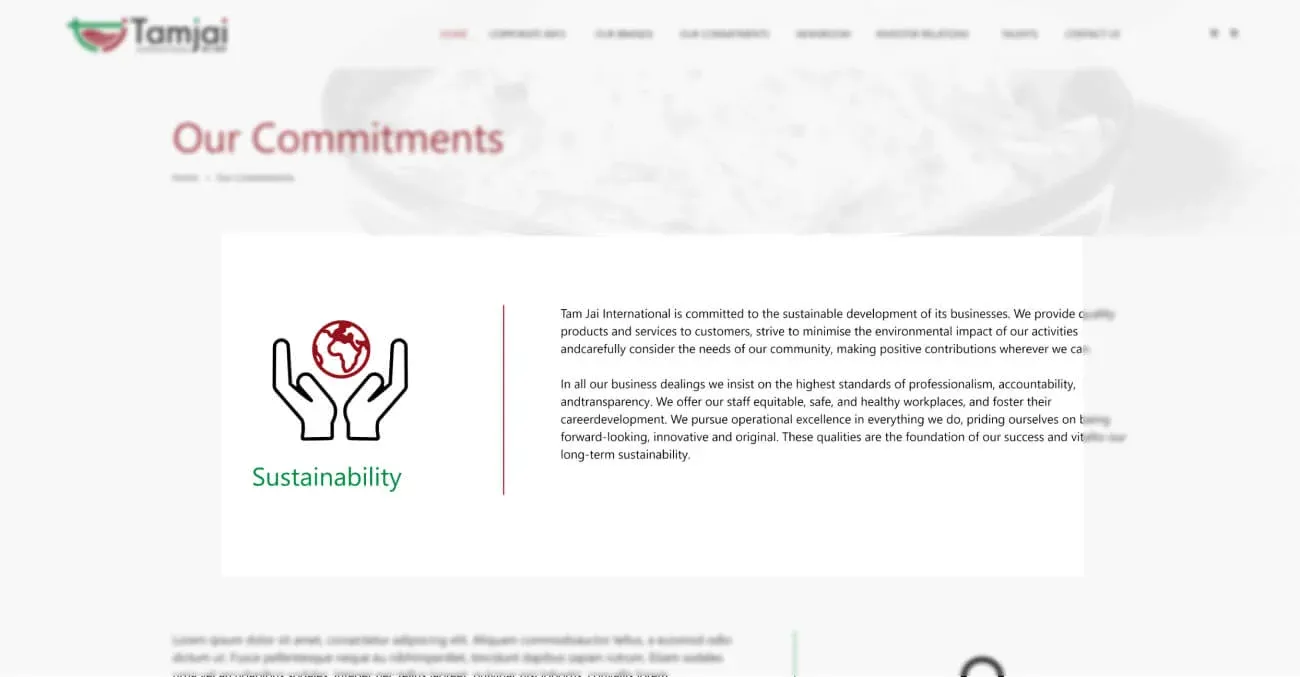
Distinct & Appealing Icons
We inserts suitable icons for important points in website. This is to let website visitor to understand the information clearly, well, and easily.
1/3
UI/UX Approaches
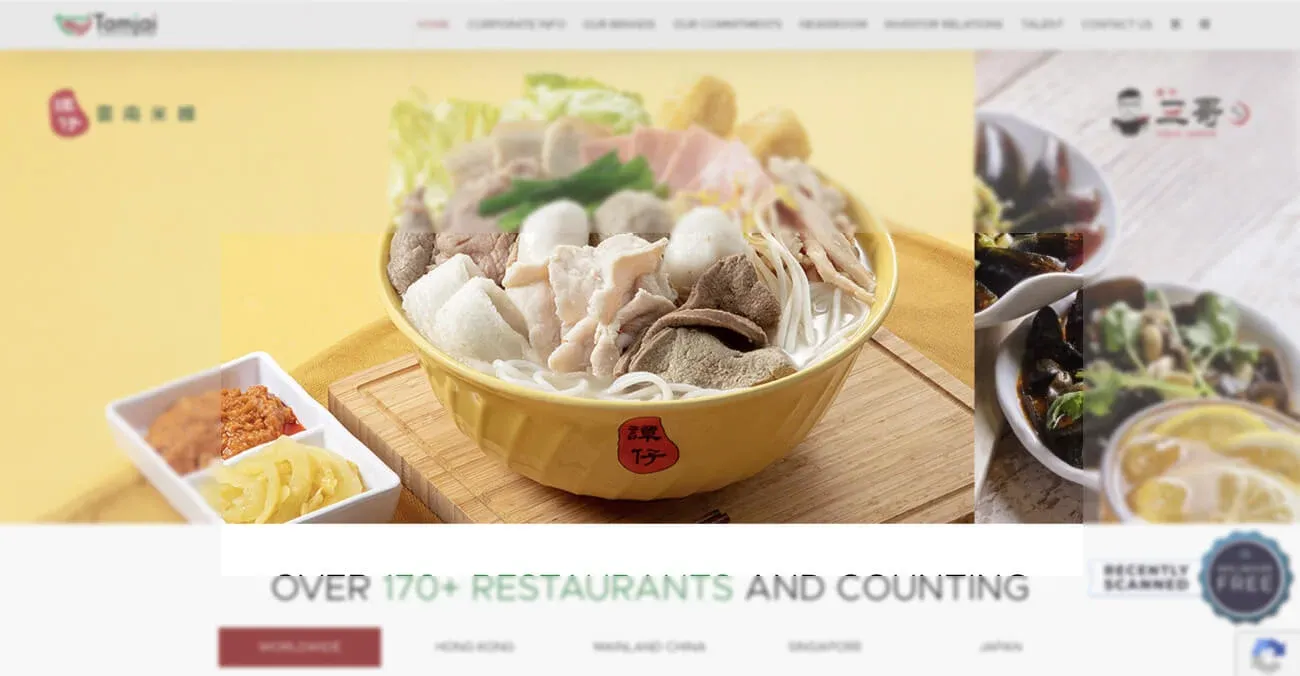
Attractive Design
An attractive website design is one that intrigues viewers to want to explore deeper into the whole website. Therefore, our professional designers design the webpages that initially be aesthetically pleasing to the eye.
2/3
UI/UX Approaches
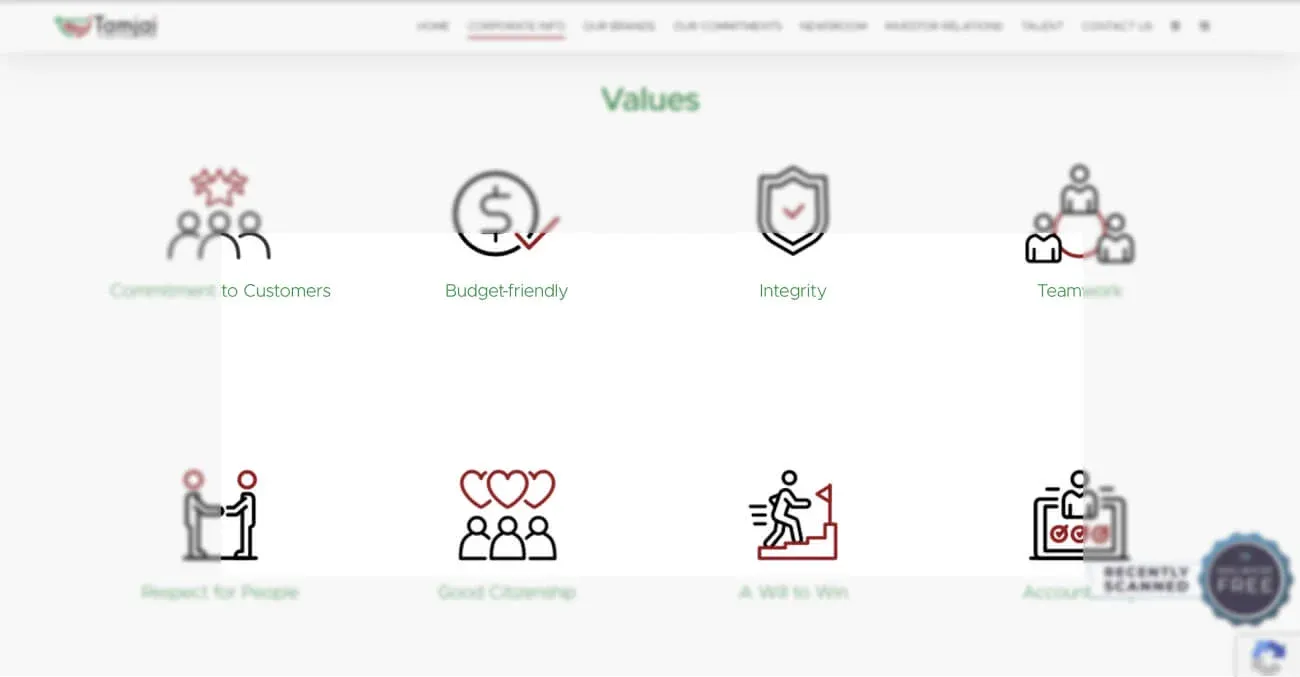
Most Appealing Animations
Animation on the web is a great way to make a website delightful, attractive and feel alive. Our development team added smooth animation on website making the entire website engaging and vibrant.
3/3

Visit the Website
Colours
Typography


Other Amazing Works





Let us call you back on your suitable time.
Let us call you back on your suitable time.u0026lt;br/u0026gt;rnrnWe’re ready to get you started on your next website project. Let us schedule a meeting suitable for you.





If you have a project and would like to discuss it with us, then please do call us or email us using the form below.